Pregnancy rearranges the body on a schedule: weight shifts forward, the lower back curve deepens, hips and legs carry new loads, and sleep gets harder exactly when it is needed most. Massage adapted for pregnancy addresses the aches that come with those changes, and it comes with a particular set of safety rules that separate it from a standard session. Knowing the rules in advance lets you book with confidence and spot a provider who treats prenatal work as the specialty it is.
This guide covers positioning, timing, pressure, and the warning signs that move the conversation from the massage studio to the doctor's office.
Positioning is the main difference
The familiar face-down position stops working as the belly grows, and lying flat on the back for a full session can compress major blood vessels in later pregnancy. Prenatal massage is typically done side-lying, with pillows supporting the belly, the head, and the top leg, or in a semi-reclined position. Properly arranged, side-lying is genuinely comfortable, and many clients prefer it from the start. Special tables with cutouts exist but are not automatically better; support and the ability to shift position matter more than equipment. If you cannot get comfortable in the first few minutes, say so, because no good work happens on a client who is bracing.
- Book with a therapist who lists prenatal massage specifically, and say how far along you are when booking.
- Expect side-lying or semi-reclined positioning with plenty of pillows, arranged before the session starts.
- Pressure on the legs should be moderate and careful; deep, aggressive leg work is avoided during pregnancy.
- Certain points around the ankles and feet are treated gently or skipped, out of caution.
- Heat applications are kept mild. Pregnancy already runs warm, and overheating is not relaxing.
- Essential oils and scented products should be cleared first, since sensitivity to smells often spikes.
- Eat lightly beforehand, and expect a restroom break to be an easy, normal interruption.
- Bring your provider's guidance with you if your pregnancy has any complications or restrictions.

Timing: the trimester question
Many studios book prenatal clients in the second and third trimesters and ask first-trimester clients to wait or to bring a provider's clearance. This is a caution convention rather than evidence that massage harms an early pregnancy; the first trimester is when miscarriage is most common for unrelated reasons, and studios take a conservative line. Whatever the policy where you book, the rule that actually matters is disclosure: the therapist should always know you are pregnant and how far along, even early, even if you think it changes nothing. It changes positioning, pressure, and product choices, and the therapist cannot adapt what they do not know.
What prenatal massage helps with
The common targets are the ones pregnancy advertises: low back ache from the shifted load, hip and leg discomfort, swollen feet and ankles eased by gentle circulation work, neck and shoulder tension from changed sleep positions, and the general stress of a body doing a large project. Sleep often improves the night after a session, which, in the third trimester, is a benefit clients rank above all the others. Massage does not treat pregnancy complications, and it is not a substitute for prenatal care. It is comfort care alongside that care.
Stop and call your provider instead
Some symptoms bypass the massage table entirely: sudden swelling of the face or hands, a severe headache, vision changes, sharp abdominal pain, bleeding, reduced fetal movement, or signs of preterm labor. A massage studio is the wrong venue for all of them, and a responsible therapist will stop a session and direct you to medical care if anything of the sort comes up. High-risk pregnancies, preeclampsia, a history of preterm labor, or placenta complications mean one thing: clear massage with your own provider first, every time.
Choosing the session length
Sixty minutes is the common prenatal booking: long enough for the back, hips, legs, and shoulders without becoming a long time to hold any one position. Side-lying work includes natural position changes, and a good therapist builds them in rather than waiting for you to ask. If a position goes stale midway, shifting is expected and easy. Comfort is not a bonus in prenatal massage; it is the entire mechanism.
Common questions
Is prenatal massage safe in the third trimester?
Yes, with adapted positioning and a therapist trained in prenatal work. Side-lying with good pillow support keeps it comfortable right up to the final weeks for most clients.
Can massage induce labor?
Ordinary prenatal massage is not a labor induction method, and claims otherwise overstate gentle pressure on reflex points. Studios avoid those points out of caution, not because a foot rub starts labor.
How often can I book during pregnancy?
Many clients book every two to four weeks, and more often in the final month when aches peak. Follow your provider's guidance if your pregnancy has complications.
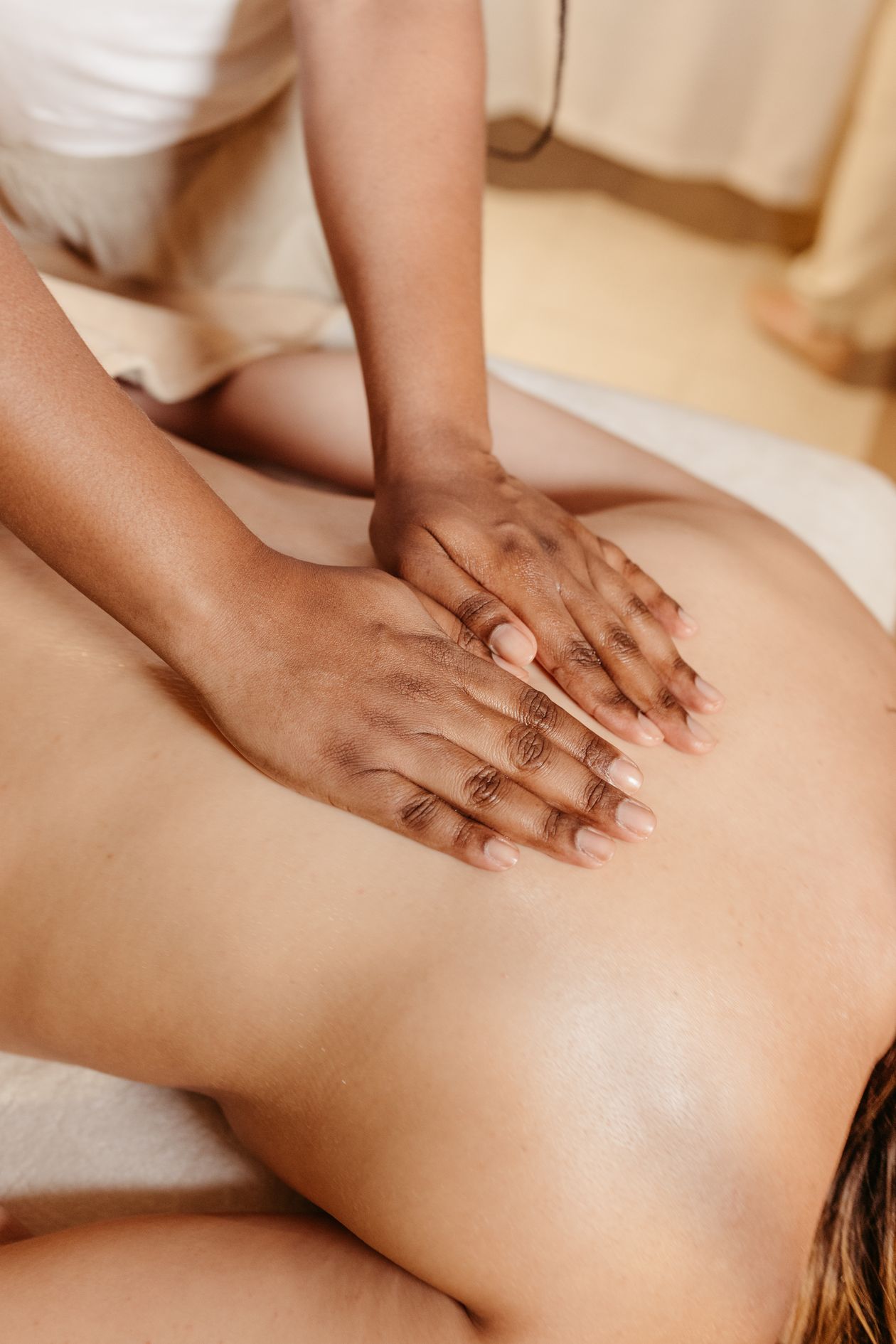
Photos in this guide are representative stock images.
← All guides from Day Break Massage & Wellness← Back to Day Break Massage & Wellness