The first massage appointment is mostly unknown territory: what to wear, where to put your things, whether to talk, how much clothing comes off, and what happens if you fall asleep. None of these questions are silly, and every therapist has heard all of them. Knowing the order of events in advance is the difference between spending the first twenty minutes of your session relaxing into it and spending them wondering what happens next.
Here is the standard sequence at a massage center in Charlotte, from the door to the table and back out again.
Arrival and the intake conversation
Arrive a little early. First visits usually include a short health form: surgeries, injuries, medications, allergies, areas that hurt, areas to avoid. Fill it in honestly. A therapist designs the session around this form, and an undisclosed injury or medication is the one reliable way to turn a good session into a bad one. After the form comes a short conversation about goals. Say the plain version: my neck is locked from desk work, or I have not slept well in a month. Vague goals get generic sessions.
- Getting set up. The therapist shows you the room, explains where to put your belongings, and leaves while you undress to your comfort level and get under the sheet on the table, face down or face up as instructed.
- The knock. After a few minutes the therapist knocks before re-entering. You will be covered by the sheet the entire session; only the area being worked on is uncovered at any time.
- Settling in. The first minutes are lighter work while the therapist reads the state of your muscles and you get used to the pressure. This is the easiest moment to say if you want more or less.
- The main session. Work follows the plan from your intake talk: full-body pacing, or focus on the areas you named, with check-ins about pressure.
- The quiet finish. Sessions end gradually, not mid-stroke. The therapist tells you the session is complete and leaves the room.
- Getting up slowly. Sit up in stages. Massage lowers blood pressure slightly, and standing fast is how people get dizzy. Dress, take your time, and come out when ready.
- Wrap-up. You may get simple aftercare notes: water, heat or rest for a worked area, and how often sessions might help your stated goal.
The questions everyone has
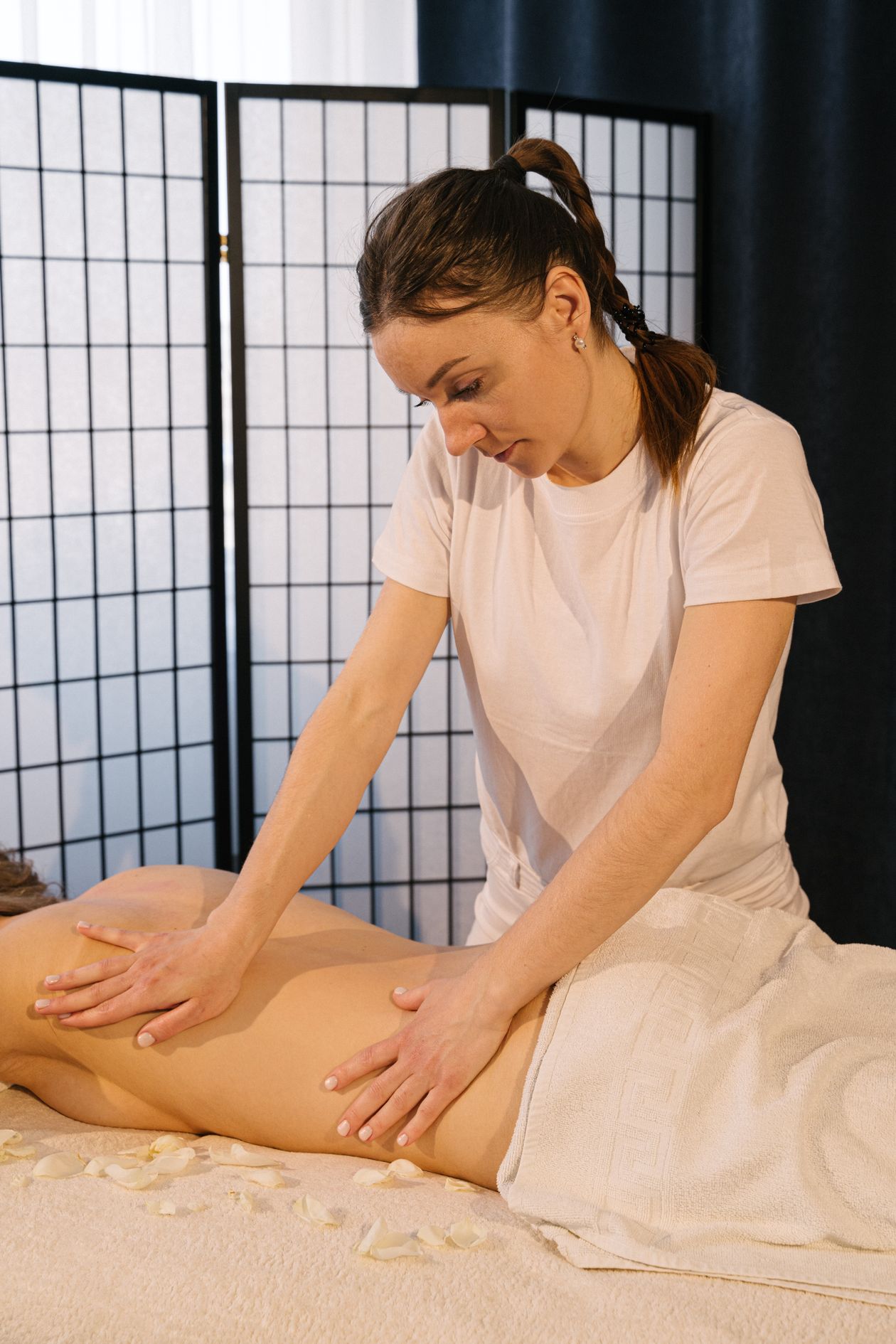
Undressing: go to your own comfort level. Most people undress fully or keep underwear on, and therapists work around either without comment. Talking: entirely your choice. Some people chat, most go quiet, and many fall asleep, which therapists take as a compliment rather than an insult. Phones: off or silent, in your bag. The hour is partly valuable because it is unreachable. Tipping and payment customs get explained at the desk; asking there is normal and nobody minds.
What to do before and after
Before: hydrate normally, avoid a heavy meal in the last hour, and skip alcohol. Arrive with the one or two problem areas clear in your mind so the intake talk is easy. After: expect to feel loose and slightly slow. Deep work can leave a day of mild soreness, like a new workout. Gentle movement, water, and an early night extend the benefit. Booking your next session, if you plan one, is easiest while the therapist's notes about what worked are fresh.
When to mention a problem mid-session
Immediately. Too much pressure, a position that pinches, a room that feels cold, a need for the restroom: all of these are ordinary, fixable, and only fixable if said. A session you silently endure teaches the therapist nothing and wastes your hour. The clients who get the most from massage over time are the ones who treat feedback as part of the appointment, because the second session starts from everything the first one taught.
What if something feels wrong?
Then say so, plainly and right away. Massage culture sometimes makes clients feel they should lie still and be grateful, which is nonsense. The session is a service you booked for your benefit, and feedback is part of how it works. Pressure, temperature, positioning, music volume, a scent you dislike: all adjustable, all normal to mention. A professional would rather hear it at minute ten than read it in a review.
Common questions
Will I be sore after my first massage?
Possibly, mildly, especially if firm work was done on tight areas. It should feel like light exercise soreness and fade within a day or two.
What if I fall asleep and snore?
Then you relaxed, which was the assignment. Therapists see it daily and will wake you gently when it is time to turn over or finish.
Should I shower before a massage?
Come as you are after a normal day. If you are coming straight from a workout, a quick shower first is a courtesy to the person working a foot away from you.
Photos in this guide are representative stock images.
← All guides from Day Break Massage & Wellness← Back to Day Break Massage & Wellness